Shariah Economic Law Based on Love and Sustainability:Ethics of Justice, Ecology, and Welfare in Modern Economic Practice
Keywords:
Shariah economics, sustainability, maslahah, ecological justice, Islamic economic ethics, maqasid al-ShariahAbstract
This article examines the integration of love-based principles and sustainability in Shariah economic law, exploring how Islamic economic ethics addresses contemporary challenges of justice, ecological preservation, and social welfare. The discussion analyzes the foundational concepts of maslahah (public interest), maqasid al-Shariah (objectives of Islamic law), and adl (justice) as frameworks for sustainable economic development. By examining the intersection of traditional Islamic jurisprudence with modern sustainability discourse, this article demonstrates how Shariah economics offers holistic solutions balancing material prosperity with spiritual fulfillment, environmental stewardship with economic growth, and individual rights with collective welfare. The findings reveal that love-centered economic ethics in Islam provides comprehensive guidelines for building resilient, equitable, and ecologically conscious economic systems that serve both present and future generations while maintaining human dignity and divine accountability.
Downloads
Downloads
Published
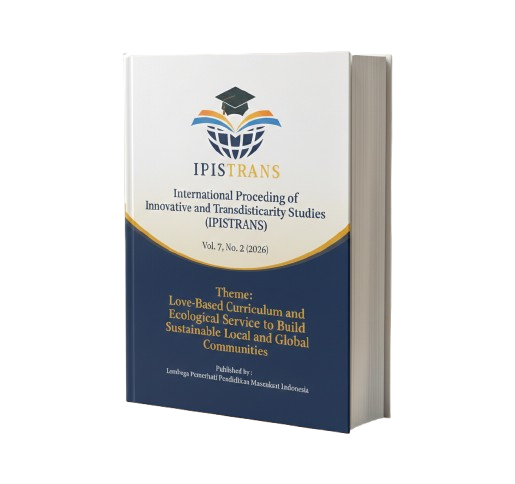
Conference Proceedings Volume
Section
License
Copyright (c) 2026 Hasriadi Hasriadi (Author)

This work is licensed under a Creative Commons Attribution-ShareAlike 4.0 International License.